
By: Dr Syeda Sultana Rizvi
The flood disaster in Pakistan is far from over, even though media attention has waned. The people of Pakistan face an ongoing struggle for survival, recovery, and rebuilding. Urgent and sustained relief efforts are required, along with long-term strategies for mitigation and adaptation. At the same time, regional cooperation and international solidarity are essential in helping Pakistan confront the realities of climate change and prevent future disasters.
In the summer of 2025, Pakistan experienced one of its worst-ever flood disasters, an event that swept through swathes of the country, displacing millions and causing widespread devastation. Yet, as the floodwaters recede, a disturbing reality remains: the crisis, once front-page news, has all but disappeared from both national and international media. Despite the urgent need for relief and long-term solutions, the situation in Pakistan’s flood-affected regions continues to deteriorate with little global attention.
The 2025 floods, triggered by unprecedented monsoon rains and exacerbated by climate change, submerged entire villages in the Sindh, Balochistan, and Punjab provinces. According to government reports, over 20 million people have been affected, and more than 3,000 lives lost. Homes, crops, infrastructure, and livelihoods have been washed away, leaving many communities without shelter or means of survival.
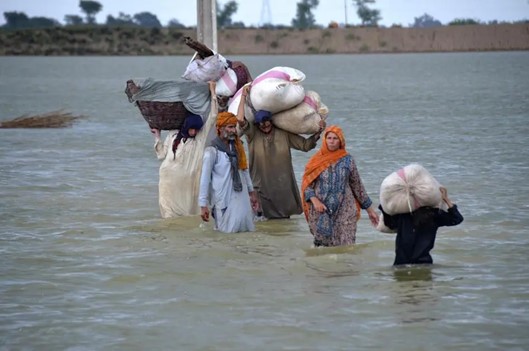
The floods have also caused massive soil erosion, leading to a loss of fertile agricultural land, which is vital for the country’s economy. The United Nations has estimated that over 100,000 square kilometers of land has been inundated. The economic impact is staggering, with the recovery expected to take years, if not decades.
As the floodwaters slowly begin to recede, media coverage of the disaster has diminished. International news outlets, which initially provided significant coverage, have shifted their focus to other global events, leaving Pakistan to face the aftermath largely on its own. Domestically, Pakistan’s political turmoil and ongoing economic challenges have also diverted attention away from the flood crisis.
Despite the diminishing media focus, urgent relief measures are still required. The flood-affected areas remain in desperate need of humanitarian aid, including food, water, medical supplies, and temporary shelter. The immediate relief effort must focus on:.
Pakistan requires long-term recovery strategies, which include: rebuilding infrastructure, restoring agriculture and economic assistance. These measures include rebuilding homes, schools, roads, and hospitals to make communities more resilient to future floods. Agricultural recovery require supporting farmers with seed distribution, water management tools, and soil restoration techniques to ensure food security. Economic assistance would require focusing on providing financial assistance to those whose livelihoods have been destroyed, helping them rebuild businesses, farms, and industries.
Mitigation and Adaptation: A Roadmap for the Future
The 2025 floods have underscored the urgent need for both mitigation and adaptation strategies to prepare for future climate-induced disasters. Pakistan’s vulnerability to flooding is driven by factors such as deforestation, urbanization, and poor drainage systems, which exacerbate the impacts of extreme rainfall. These measures require building resilient infrastructure including modernizing and expanding flood control infrastructure, including dams, levees, and drainage systems that are critical for mitigating flood damage, besides improving urban planning to prevent flood-prone construction is also needed.
Ecosystem restoration is another mitigation requirement which includes reforestation particularly in flood-prone regions, can help mitigate the effects of flash floods by stabilizing soil and reducing runoff. Wetland restoration, as well as the protection of natural floodplains, must become a central element of Pakistan’s flood mitigation policy.
A comprehensive water management strategy is needed, including the installation of early warning systems for floods, better monitoring of river flows, and improved irrigation systems that reduce water waste and enhance crop resilience.
Community-based adaptation, is another important factor that requires empowering local communities with the knowledge, tools, and resources to adapt to climate change is critical. Training farmers to use climate-resilient crops, creating flood-resilient homes, and strengthening local disaster response teams will build community resilience.
Regional and International Cooperation: A Shared Responsibility
While Pakistan needs to take the lead in implementing these solutions, the global community also has a crucial role to play. Regional cooperation, particularly with neighbouring countries like India, Afghanistan, and Iran, is essential for addressing shared water resources and implementing joint flood management strategies.
International organizations, such as the United Nations, the World Bank, and NGOs, must increase their involvement in flood relief and long-term recovery efforts. Donor countries should provide financial assistance and expertise to help Pakistan build back stronger. Furthermore, Pakistan’s efforts to combat climate change require international climate finance, as the country is among those most vulnerable to the effects of global warming despite having contributed minimally to the problem.
A key element in any international cooperation should be the global commitment to reducing greenhouse gas emissions. As a developing nation, Pakistan is disproportionately affected by the impacts of climate change, yet it has limited resources to mitigate these effects. Global climate financing mechanisms, such as the Green Climate Fund, must increase support for adaptation and resilience-building projects in Pakistan and other vulnerable countries.
The flood disaster in Pakistan is far from over, even though media attention has waned. The people of Pakistan face an ongoing struggle for survival, recovery, and rebuilding. Urgent and sustained relief efforts are required, along with long-term strategies for mitigation and adaptation. At the same time, regional cooperation and international solidarity are essential in helping Pakistan confront the realities of climate change and prevent future disasters.
As the world moves on from this tragedy, it is crucial that Pakistan’s flood-affected communities are not forgotten. The global community must stand in solidarity with Pakistan, offering both immediate relief and long-term solutions to build a more resilient future.
 CAST
CAST 